Self-contained or inclusion?
At first glance, it can sound like a relatively easy either-or decision. In real IEP meetings, however, it is rarely that neat.
One student may need quiet space, more repetition during instruction, and close support to wrap up reading tasks. Another may benefit from longer time to engage with peers, access to grade-level discussions, and support inside the general education classroom. In fact, some students also need both, depending on the subject, daily routines or time of day.
That's exactly why self-contained vs inclusion conversations should always begin with the student.
Both settings can support inclusive education, sure. But what matters more is whether the chosen classroom setting lets the student learn, participate, feel supported, and make sufficient progress.
What Is a Self-Contained Classroom?
A self-contained classroom is an individualised special education setting where students receive most, or sometimes all, of their instruction outside the general education classroom. Such classrooms are generally smaller than gen-ed classrooms, have a higher level of structure, and are designed to provide the intensive support some kids require during their school day.
One major bonus here is the smaller student-teacher ratio.
Since there are fewer students, teachers can focus all their energy on providing more direct instruction, more repetition, closer monitoring, and faster support for struggling kids.
Students in this setting may work on specific areas such as:
- academics,
- communication,
- behavioural issues,
- sensory needs,
- independent functioning,
- social skills, or
- daily living activities.
These classrooms are often staffed by special education teachers, paraprofessionals, therapists, and other support providers.
Self-contained Does Not Mean Low Expectations
A common misconception is that a self-contained special education class is isolated, low-level, or somehow a “last resort.” That is not fair or accurate.
A strong self-contained classroom can be purposeful, warm, structured, and ambitious. The issue is not the setting itself. The issue is whether it provides meaningful instruction, strong goals, connection to the school community, and opportunities for growth.
Self-contained should never mean forgotten. It should mean intentionally supported.
What Is an Inclusion Classroom?
An inclusion classroom is a general education classroom where students with disabilities learn alongside students without disabilities.
In inclusion in special education, the student remains part of the general education environment while receiving the support needed to participate and make progress.
Support may include accommodations, co-teaching, modified instruction, visual supports, assistive technology, therapy push-ins, behaviour plans, or paraprofessional support.
The focus is access. Students are not simply placed in the room and expected to manage everything independently. Good inclusion in the classroom means the team plans how the student will join instruction, routines, materials, peer work, and assessments.
Some kids need a Mix of Inclusion and Specialised Support.
Inclusion is not always all day. Some students attend general education for the full day with support. Others participate in inclusion classes for only specific portions of their school day, such as science, art, music, lunch, recess, morning meeting, or electives.
This flexibility matters big time. A student may require one-on-one reading instruction in a smaller setting. However, they may do well in social studies with only a few accommodations.
Key Differences Between Self-Contained and Inclusion Classrooms
While both environments include high expectations, strong teaching, and purposeful IEP work, the major difference between them lies in how and where support is delivered.
Classroom environment
Self-contained classrooms are smaller and more structured. That means they can be adjusted for sensory needs, communication devices, and behavioural plans with less effort. Such classrooms also allow teachers to develop and implement unique routines for the students.
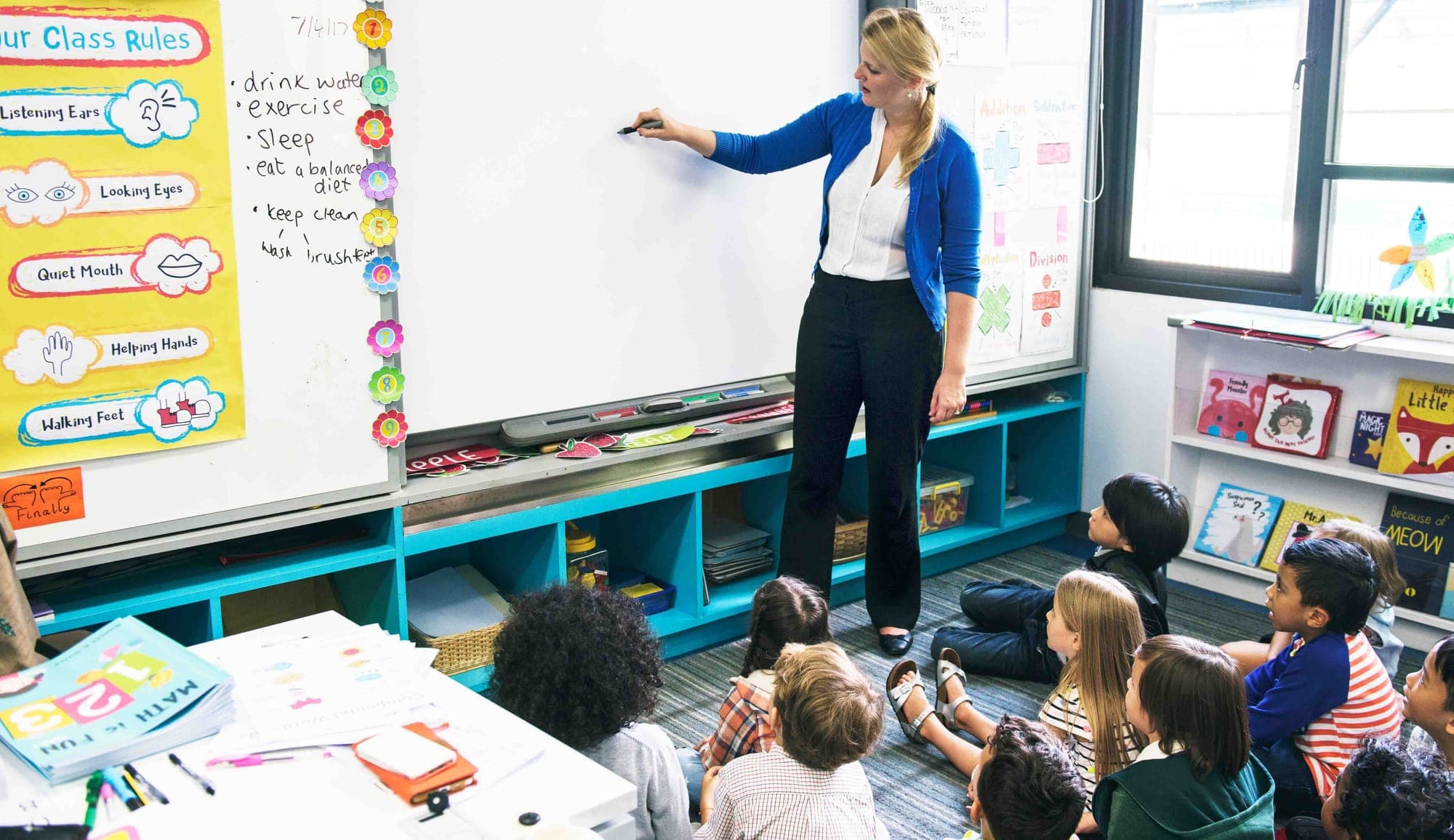
An inclusion classroom is a larger general education setting. Students follow the general classroom schedule and engage with grade-level peers while also receiving supports within that environment.
Instruction style
In self-contained classrooms, instruction is often highly individualised. Students are provided with a lot of one-on-one time for their needs. Skills may be broken down into smaller steps, practised repeatedly, and taught at a pace that matches their abilities.
In inclusion classrooms, instruction is connected to grade-level curriculum. Students may receive accommodations, modifications, small-group help, or co-teaching support so they can engage well.
Peer interaction
A student in a self-contained classroom will likely have fewer opportunities for peer interaction than students in an inclusion classroom setting (unless such interactions are planned into their schedule).
In inclusion classrooms, however, peer interaction is more naturally part of the day. Students can observe other classmates' behaviours, join group projects, practice communication, and build relationships through common routines.
Support intensity
Self-contained settings usually provide more intensive specialised support throughout the day. Inclusion settings provide support within the general education classroom, which requires clear planning and collaboration.
Academic expectations
In self-contained classrooms, some students may work on modified curriculum, functional academics, life skills, communication, or behaviour goals. In inclusion classrooms, students often have more direct access to grade-level curriculum, with supports or modifications, when appropriate.
Benefits of Self-Contained Classrooms
Fewer Distractions and More Predictability
Some students find their school day more predictable and easier to manage when they're in a self-contained classroom. Since the smaller setting shrinks noise, movement, and other distractions, kids get to focus on instruction instead of constantly having to cope with the environment.
More Individualised Attention
Students placed in a self-contained class also receive more direct support from teachers, paraprofessionals and/or related service providers.
Staff members have more flexibility to re-teach skills, collect data during instruction, practice communication skills, adjust the pace, or provide behavioural supports before the student reaches a point of overwhelm.
Strong Support For Students With Intensive Needs
Consistent routines are another significant advantage.
To learn best, some students need their daily expectations, transitions, visual cues, positive reinforcement, and adult support to be predictable. Self-contained classrooms can provide that consistency more easily than larger, busier general education environments.
Benefits of Inclusion Classrooms
More Interaction with Peers
Students in inclusion classrooms can access the shared life of the school day. They work on learning tasks with their peers, take part in common class routines, listen to discussions relevant to their current grade level, and develop peer friendships through day-to-day classroom interactions.
Access to Grade-Level Learning
Students who attend classes in an inclusion setting are typically exposed to their respective grade-level curriculum. However, they may be offered accommodations, modifications, or adult assistance if necessary.
That access matters.
It allows students to access high-quality instruction during the regular school day without being separated from peers.
Belonging, Confidence, and Collaboration
Peer modelling is another major strength. When children watch their classmates ask questions, find solutions to problems, start assignments, take turns, and transition from one activity to the next, their own communication, social skills, and independence improve too.
Inclusion also creates a sense of belonging. If students are part of the classroom community, peers are more likely to see them as fellow classmates, partners, or friends.
However, one should know that inclusion only works well when support is real. A student sitting in the back of the room with work they cannot access isn't meaningful inclusive education.
Challenges in Both Settings
No placement works simply because it has the right label. A student may have difficulties in either setting if support is poor, inconsistent, or mismatched.
Challenges in Self-contained Classrooms
Students in self-contained classes may have limited interactions with their general-ed peers, unless the IEP team carefully provides them with opportunities to do so. As a result, they may miss out on shared routines, schoolwide activities, and natural friendships.
There is also a risk of low expectations if the classroom becomes overly focused on "managing" the day instead of teaching new skills, improving communication, developing independence and promoting student growth.
Challenges in Inclusion Classrooms
Inclusion classrooms can be challenging; larger group size, faster pace, increased background noise, transitions, written assignments, and independent activities can be pretty hard for kids who need additional support.
Teachers may also have limited time to provide individualised attention. Without planning, accommodations, role clarity, and data related to student progress, inclusion can feel difficult.
The key point is simple: placement alone does not determine success. Support quality matters the most.
How IEP Teams Choose the Right Classroom Setting
When making placement decisions, an IEP team must look at the child's individualised needs. It shouldn't just make placement decisions based on disability labels, convenience, staffing issues, or assumptions about what students “should” do.
Teams evaluate the child's educational progress, communication, behaviour, sensory needs, independence, social development, safety, and access to instruction. They also review what the collected data shows.
IDEA's LRE (Least Restrictive Environment) principle says students with disabilities should be educated with nondisabled peers to the maximum extent appropriate. Removal from the regular education environment should only happen when learning there cannot be achieved satisfactorily, even with supplemental aids and/or services.
That does not mean every student must spend their entire day in a general-ed classroom. It means teams should start by considering access, then decide what supports and settings provide the most educational benefits.
Supporting Student Success in Any Classroom Setting
The classroom setting matters; but the follow-through matters more.
A student can have all the right supports written into the IEP, but the work doesn't stop there. The team still needs to know what is happening after that.
Are the accommodations being used enough? Is the student receiving all the service minutes as originally planned? Does the student require less prompting, more breaks, different instruction, or more peer access than before?
That is where progress monitoring and team communication start to matter. Teachers, therapists, paraprofessionals, and families all see different pieces of the student’s routine.
AbleSpace helps keep those pieces easier to track: IEP goal data, service notes, accommodations, and progress updates all in one place. When the trends are easier to view, teams can make inclusive education decisions before the placement conversation ever becomes a crisis!
Common Myths About Self-Contained and Inclusion Classrooms
“Inclusion is always better.”
While inclusive settings have their own advantages, they only work when the student receives the needed support. A general education classroom that lacks access or opportunities for progress is not automatically better.
“Self-contained means failure.”
Self-contained placement does not mean a child has somehow failed. In fact, for kids who require more structure, behavioural or communication support and individualised interventions, self-contained classrooms can be really effective.
“Students can't really switch between inclusion and self-contained classes.”
Placements can change! Some kids move towards more inclusion over time. Others, however, might require more assistance during a particularly difficult period.
“One placement can fit every student.”
There is no such thing as a "universal" best setting. Even if two kids have the same diagnosis, they can still end up needing entirely different supports. So, the best setting can only be determined based on the student’s particular needs, abilities and goal data.
Conclusion
Self-contained and inclusion classrooms are not competing ideas.
They are tools.
The real work is knowing when each will be helpful, when it falls short, and when a student requires something more flexible than either setting alone can provide.
For special educators or IEP teams, the goal remains the same: help the student access their school day, develop skills, and make meaningful progress that actually shows up beyond paperwork.