Data has become central to how student progress is understood in special education. From IEP reporting to intervention planning, numbers increasingly shape the conversations that guide instructional decisions.
Yet the usefulness of progress data depends less on how much of it exists and more on what it actually reveals.
In many classrooms and therapy settings, large amounts of information are collected every week. Still, the most meaningful insights about student learning often emerge through observation, professional judgment, and small patterns noticed over time.
When those insights rarely appear in the data itself, it can be a sign that the monitoring system is capturing activity without fully capturing learning.
Several subtle signals tend to reveal when that disconnect begins to take shape.
1. Progress Looks Smooth on Paper, But Messy in Real Life
Learning, especially for students with diverse needs, rarely happens in a straight line.
Breakthroughs come suddenly. Regression appears unexpectedly. Skills strengthen in one setting but disappear in another. Real progress often looks uneven before it becomes stable.
But sometimes progress graphs tell a different story: a perfectly smooth upward trend.
When progress monitoring consistently produces tidy, predictable curves, it may mean the system is only capturing final outcomes, not the learning process itself.
Important questions may be missing from the data:
- Did the student initiate the skill independently?
- Did the skill appear when the activity structure changed?
- Did performance remain stable after a short break or transition?
Without this context, progress can look more consistent than it actually is.
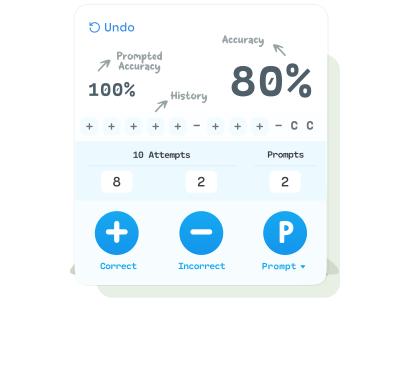
Effective monitoring systems allow educators to capture these nuances alongside goal performance so the data reflects how the skill is emerging, not just whether the final response was correct.
2. Students Perform Differently During Data Collection
Another subtle signal appears when students seem to behave differently when the clipboard comes out.
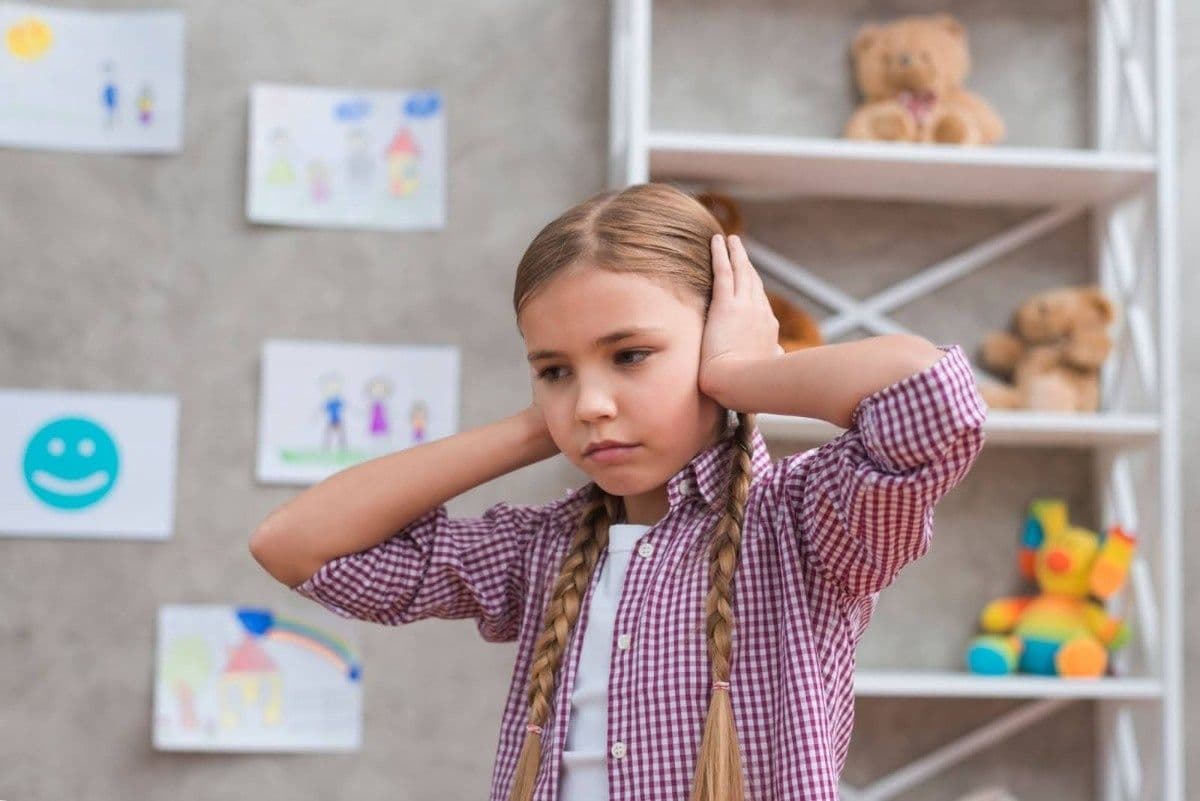
Some students become unusually focused during formal trials. Others grow anxious or disengaged. Either way, the data may reflect a structured assessment moment rather than authentic classroom performance.
This creates a quiet gap between:
- what students demonstrate naturally
- what they demonstrate during measured trials
When monitoring systems rely too heavily on isolated probe moments, they risk missing how skills appear during real participation in group work, play, transitions, or communication with peers.
Progress monitoring works best when data collection blends naturally into everyday instruction. Systems that allow educators to capture performance during real classroom interactions are far more effective than those that require pausing instruction to run separate trials.
3. Teams Spend More Time Explaining Data Than Learning From It
A useful progress monitoring system should make discussions easier.
But sometimes team meetings reveal the opposite pattern: educators spend much of the conversation explaining how the data was collected before they can talk about what it means.
Questions like these start appearing regularly:
- “Was that during a structured activity or free play?”
- “Was the student working one-on-one or in a group?”
- “Did that happen in the classroom or during a therapy session?”
When those clarifications become routine, it often means the monitoring system isn’t capturing enough instructional detail alongside the numbers.
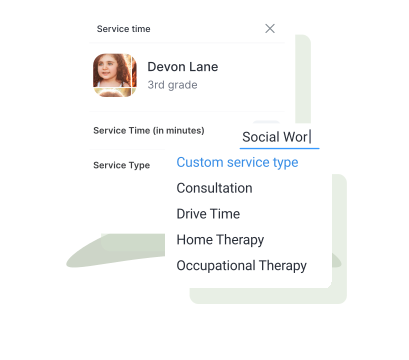
Adding simple indicators such as the context of the activity, the materials used, or the type of interaction involved can transform numbers into meaningful insights.
4. Progress Is Easier to Describe Than to Show
Experienced educators often have a strong intuitive understanding of their students’ growth.
A teacher might say:
“His communication attempts are increasing.”
Or:
“She’s starting to initiate more during group activities.”
Yet when asked to show the evidence in the data, it’s surprisingly difficult.
This doesn’t mean the progress isn’t real. It usually means the monitoring system is focused on too narrow a definition of progress.
Skills like communication, independence, and regulation develop in ways that don’t always fit neatly into discrete trial formats. Systems that allow multiple forms of evidence, such as observations, quick goal logs, or embedded data points, make it easier to document these emerging abilities.
5. The Data Answers Compliance Questions, Not Learning Questions
The final sign is philosophical rather than technical.
When educators review progress monitoring data, the most common question should be:
What should change for the student next?
But in struggling systems, the dominant questions sound different:
- “Do we have enough data points?”
- “Is the graph ready for reporting?”
- “Does this meet documentation requirements?”
Compliance matters. Documentation matters. But when monitoring systems prioritize reporting over insight, they slowly drift away from their real purpose.
The strongest systems help educators answer instructional questions quickly:
- Is the student applying this skill in different settings?
- Are errors showing a consistent pattern that points to a specific barrier?
- Is the current goal still the most meaningful next step for the student?
When those answers become clear, progress monitoring stops feeling like record-keeping and starts functioning as what it was always meant to be: a guide for better decisions.
Conclusion: The Limits of Generic Data Tracking Tools
One of the quiet risks in progress monitoring is mistaking storage for insight.
A spreadsheet can hold hundreds of data points. A Google Form can collect responses quickly. A binder can keep everything neatly arranged. Yet none of those tools were built to show how skills evolve across time and context.
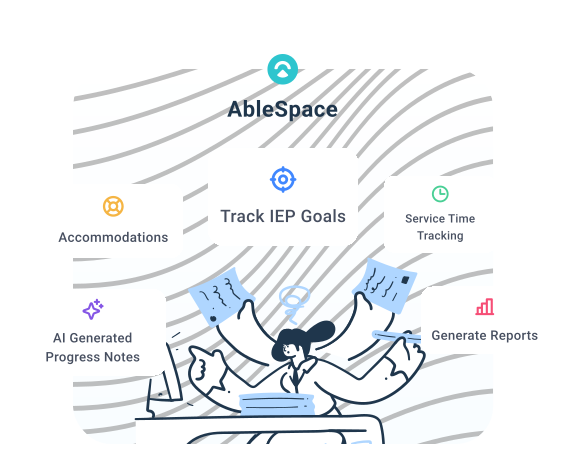
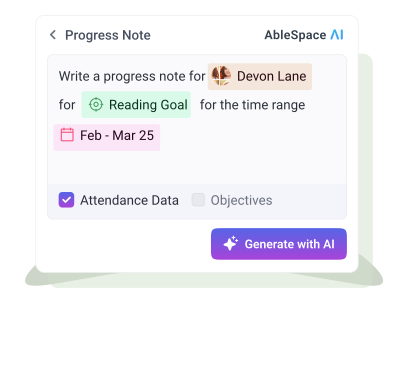
Progress monitoring platforms designed for this work take a different approach. AbleSpace, for example, brings goal data, session context, and visual trends together so educators can notice shifts that scattered tools often hide.
And sometimes, noticing those shifts earlier is what makes the difference between simply tracking progress and actually supporting it.