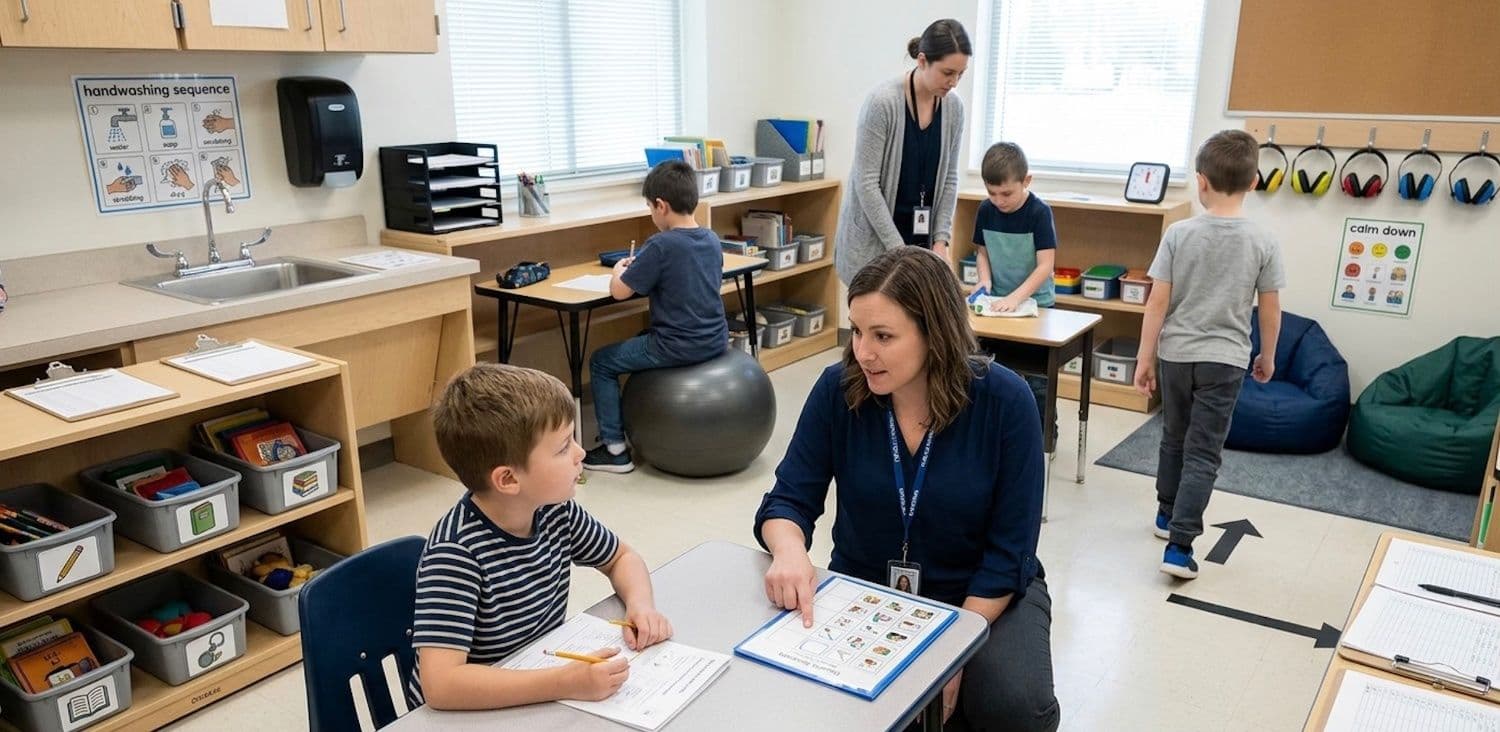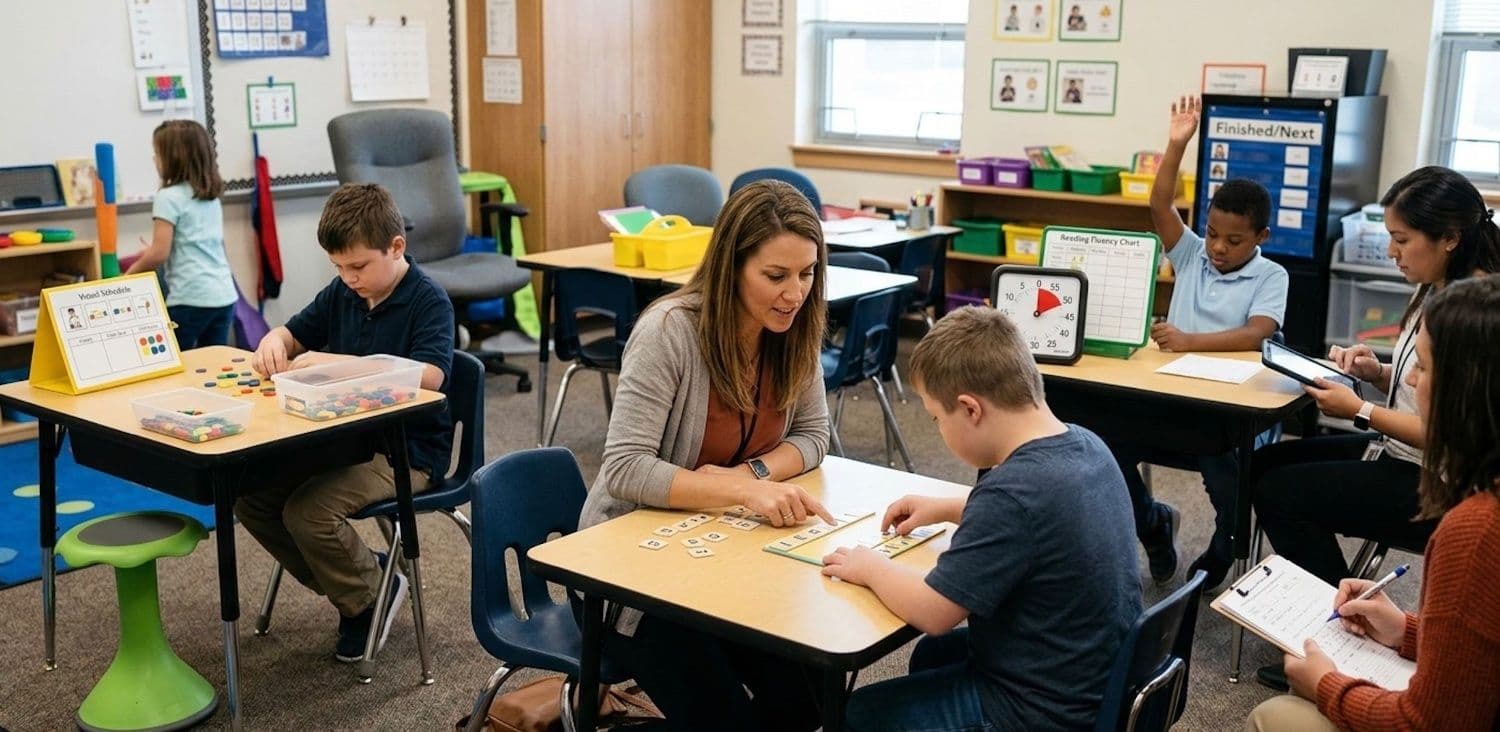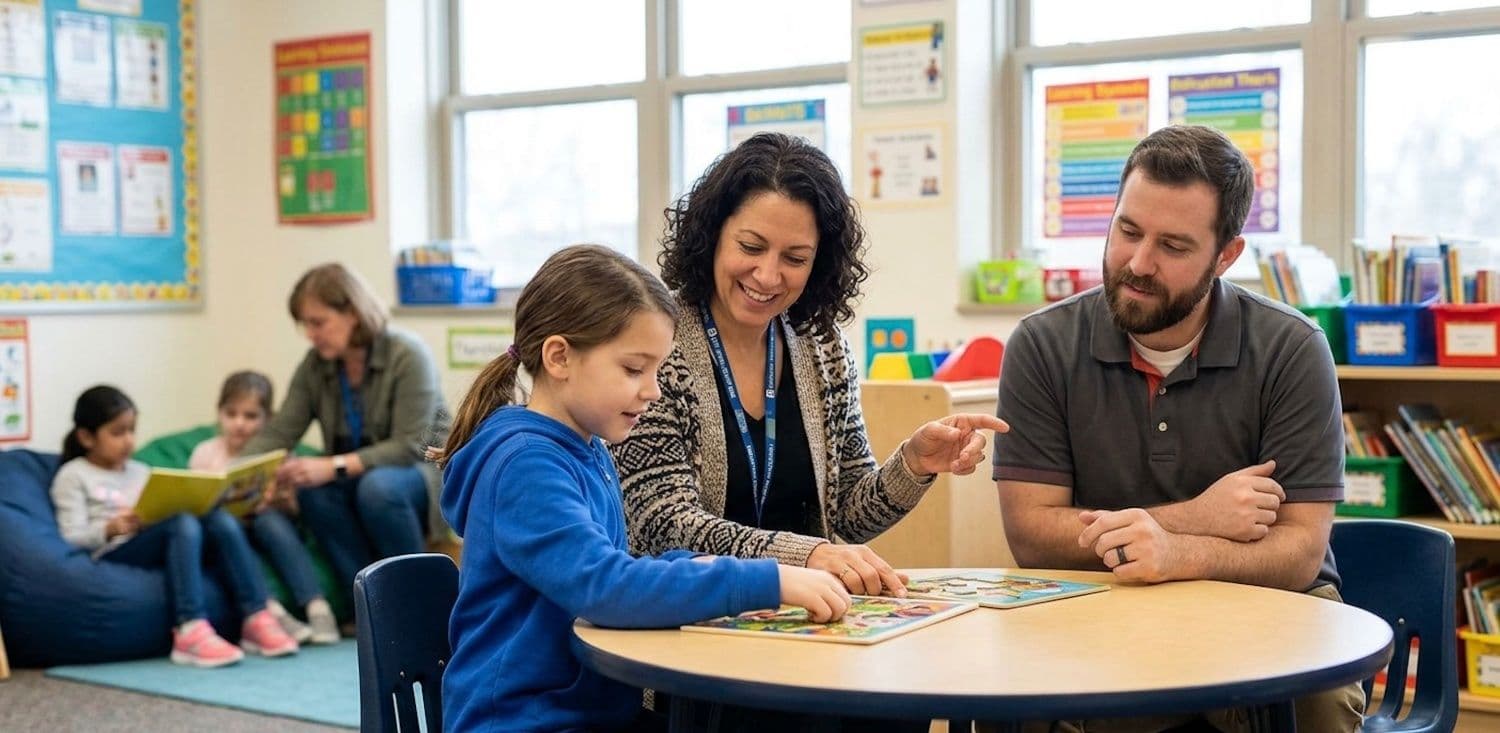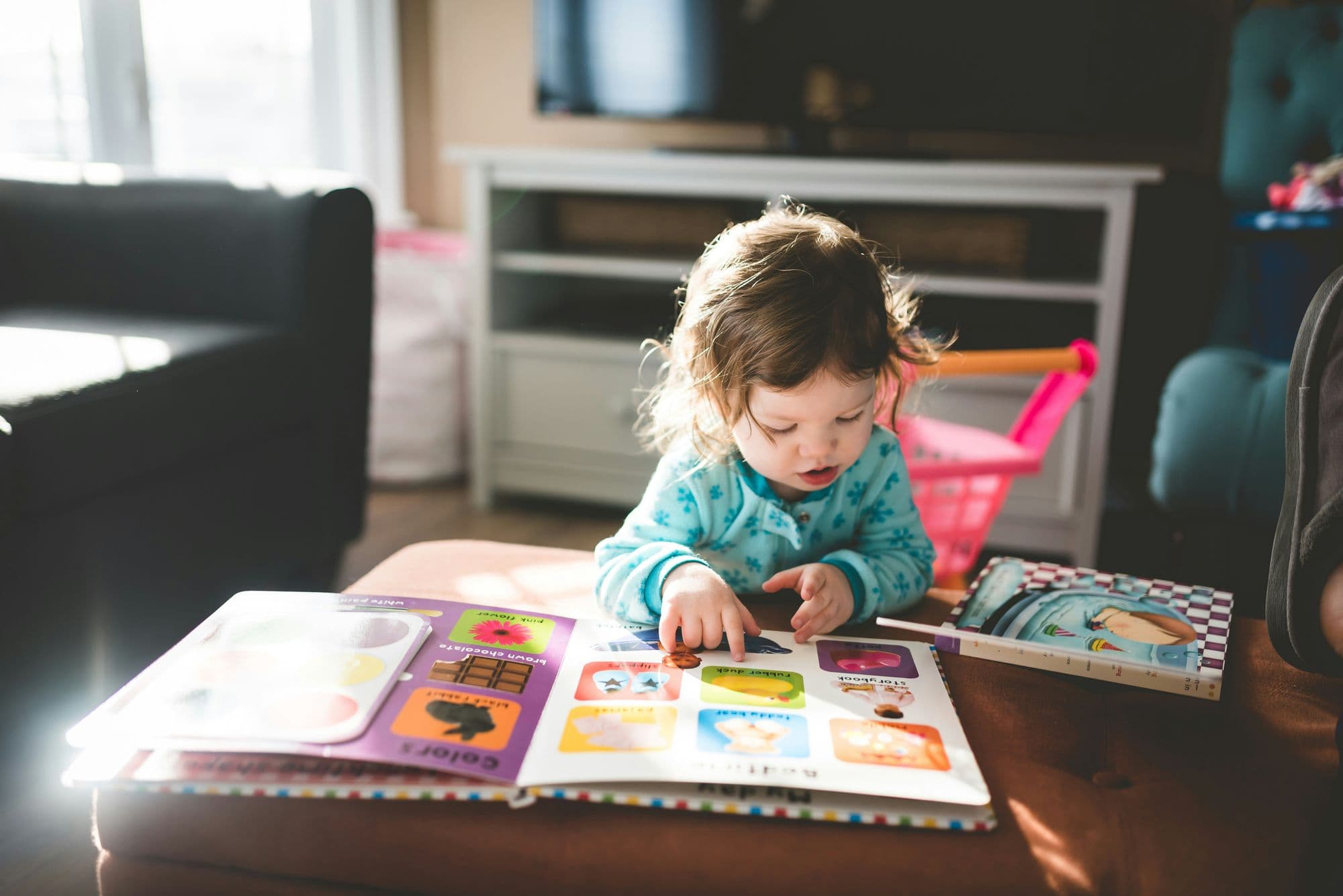


In the SpEd classroom, caregivers and educators experience enriching opportunities and unique challenges as they aim to engage special needs preschoolers with books.
It is possible to cultivate a genuine love for reading in these young minds. You just need to rely on some tried-and-tested strategies and resources.
In this blog, we'll shed light on some of the most effective tips to engage preschoolers with special needs in books.
1. Create a Calm and Comfortable Environment
Create a quiet reading space in the classroom to minimize distractions and encourage children to focus on reading the book.
Educators can set up cozy corners with soft pillows, blankets, and gentle lighting to create a calming atmosphere.
2. Use Visual Supports
Incorporate visual aids, such as:
- Picture schedules
- Storyboards
- Visual timers
Visual aids help children comprehend reading time transitions and enhance their engagement with reading materials.
3. Offer Choice and Flexibility
Allow the child to choose books based on their interests and preferences.
Provide various books with different textures, formats, and topics to cater to individual needs.
4. Make it Multi-Sensory
Teachers can include props, interactive books, or sensory materials, such as textured pages, scratch-and-sniff books, or sound buttons.
These materials help engage multiple senses and enhance the child's reading experience.
5. Break Tasks into Manageable Steps
Guide the child through each step of the reading process using visual or verbal prompts.
Educators can break down the reading activities into small, manageable tasks to prevent stress build-up in children.
6. Incorporate Movement
Introduce movement-based activities such as:
- Acting out stories
- Using finger puppets
- Yoga poses
Activities based on movement help keep the child engaged and promote kinesthetic learning.
7. Focus on Positive Reinforcement
Use positive reinforcement strategies such as stickers, tokens, or verbal praise to motivate and reward children for their engagement.
Teachers and caregivers must recognize and admire the child's efforts and participation during reading sessions.